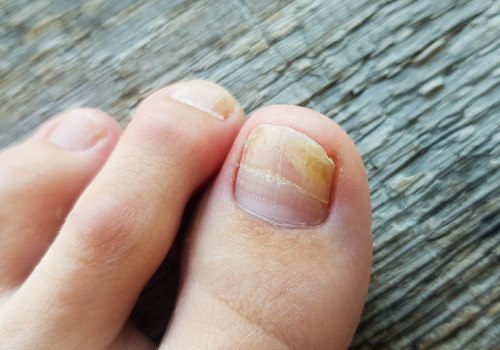
Nail Fungus
Nail Fungus Treatment Articles
wpa9a4d16f.png
wp5a479ac7.png

Disclaimer


This site is designed for information purposes only. It is not to substitute for medical advice provided by your physician or other medical professional. You should not use the information contained herein for diagnosing or treating a health problem or disease, or prescribing any medication. If you have suspect that you have medical problem, promptly contact your physician or health care provider.

Copyright © 2007 - 2010  Toe-Nails-Fungus.com  All Rights Reserved   

Nail Fungus and Toenail Fungus Treatment 2010


Useful Resources


“When a nail infection develops, the most common cause is a fungus. More frequent on the toenails than on the fingernails, fungal nail infections affect about 12% of all Americans.” AAD


“Onychomycosis means fungal infection of the nail. It is the most common disease of the nails and constitutes about a half of all nail abnormalities.” Wikipedia


“An infection of nail fungus occurs when fungi infect one or more of your nails. A nail fungal infection may begin as a white or yellow spot under the tip of your fingernail or toenail.” MayoClinic

wpa9a4d16f.png

Symptoms of Toenail Fungus


Fungi-ridden nails become thicker than normal nails and become very brittle. The discoloration can range from brown, black, yellow or green. Common knowledge states that the fungus settles primarily in the nail plates. According to medical science, fungus actually settles in the layers of the nail plate and the nail bed.


The infection sets in when the feet are infected from dirty shoes or dirty surroundings. Heat and sweat are central components for the growth of toenail fungi. Unfortunately, toenail fungi do not go away on its own. In fact if we “let it be”, the fungi will spread to other nails, or the other foot.


Dr. Jane Andersen a podiatrist from Chapel Hill in North Carolina states that "Discolored nails aren't always from fungus. They could also be from trauma due to exercise or psoriasis, so we take a fungal culture to make a diagnosis."


So before you run to your podiatrist for a prescription, ascertain first if the yellowing is really due to toenail fungus. Yellowing of the nails may be due to jaundice, a common symptom of many liver ailments including Hepatitis A and B.

Prescription Medications


One of the more commonly prescribed medications for toenail fungi is Penlac or Ciclopirox. This prescription drug is being produced by Dermik Laboratories. Penlac is a topical antifungal drug that is applied daily to the affected parts of the feet. Daily application is required. The period required for complete remission is several months. Penlac may only be used for mild to moderate toenail fungus.


The side effects of the topical drug Penlac may include the following:


• Skin irritation

• Redness  

• Itchiness

Over-the-Counter Non-Prescription Medication


There are also over-the-counter medications that you can use to treat your toenail fungus. Examples include ZetaClear and Heal Nail Fungus™. These medications work naturally to eliminate nail and toenail fungus with no skin irritation, scarring and side effects. They are usually safe, cheap, and easy to use.


Read > Customer Testimonials...

Prescription Oral Medications


Some doctors prescribe oral medications to treat toenail fungus. One of the more popular choices is Lamisil or Terbinafine, produced by Novartis Pharmaceuticals. Another oral antifungal drug is Sporanox or Itraconazole. Sporanox is being produced by Jansenn Pharmaceuticals.


How do these oral medications work? Well basically, they travel through the human body’s circulatory system to regularly attack the fungal infection. People who wish to treat their fungal infections using Sporanox or Lamisil must take the recommended dosage for 12 weeks. Around 9 months is required for normal, healthy nails to grow back. But the fungal infection would have been culled by then.

Toenail Fungus and Prescription Drugs


Toenail fungus is being treated today using prescription medications. Toenail fungus is unsightly and often spreads to other nails. If left untreated, the toenail fungus can render the nail bed with a greenish tint.


Nail Fungus Treatment

Penlac
Sporanox
Lamisil
ZetaClear

Side Effects of Oral Medications


Among the most common side effects of oral antifungal medicine are the following:


• Sever stomachaches

• Headache


The consuming public is asked by the Food and Drug Authority to report any of the following symptoms:


• Persistent dizziness or nausea

• Vomiting

• Abdominal pain in the upper right region (liver area)

• Jaundice or yellowing of the skin or the eyes

• Dark urine color or any changes in the color of the urine

• Pale stool color


People who have had trouble with their liver and have heart conditions are not encouraged to use Sporanox and Lamisil.

Nail Fungus Prescription Medication