Nail Fungus Treatment | Science | Statistics | Q & A | Resources | Contact Us | Sitemap
Toenail Fungus and Prescription Drugs
How to Treat Fingernail Fungus Infection
A Short Background on What Nails Are
Why is Nail Fungus Tough to Beat?
Home Remedies You Can Do to Treat Nail Fungus
Top 8 Questions to Ask About Nail Fungus
When Going to the Gym Can Give You Toenail Fungus
Deadly Fungi-
Infested Yoga Mats and Flip-
Disclaimer
This site is designed for information purposes only. It is not to substitute for medical advice provided by your physician or other medical professional. You should not use the information contained herein for diagnosing or treating a health problem or disease, or prescribing any medication. If you have suspect that you have medical problem, promptly contact your physician or health care provider.
Copyright © 2007 -
Nail Fungus and Toenail Fungus Treatment 2010
Useful Resources
“When a nail infection develops, the most common cause is a fungus. More frequent on the toenails than on the fingernails, fungal nail infections affect about 12% of all Americans.” AAD
“Onychomycosis means fungal infection of the nail. It is the most common disease of the nails and constitutes about a half of all nail abnormalities.” Wikipedia
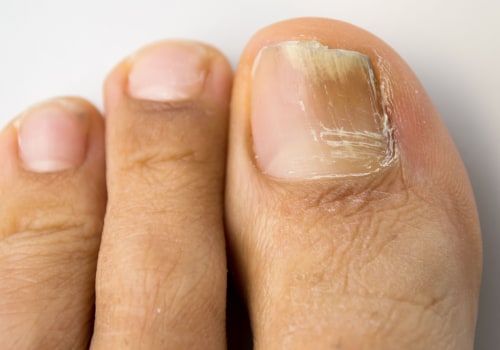
“An infection of nail fungus occurs when fungi infect one or more of your nails. A nail fungal infection may begin as a white or yellow spot under the tip of your fingernail or toenail.” MayoClinic
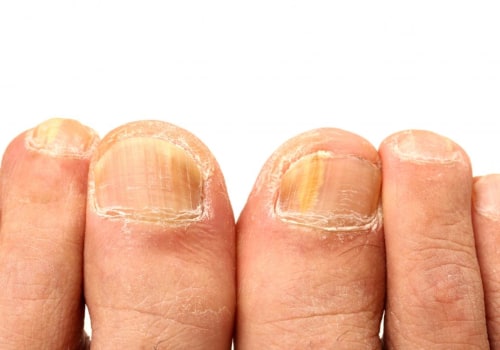
Nail fungus, or onychomycosis, is a fungal infection that affects the nails on your hands and feet. It most commonly occurs on the toenails as our feet are more susceptible to fungal exposures. It is acquired from infected public places such as gyms, showers, nail salons and swimming pools. It is in your best interest and care to take precautionary measures to protect yourself as well as people you know from contamination.
Many people do not know that different types or strains of fungus such as yeast and molds can cause nail fungal infection although, the symptoms and treatment procedures are still the same. However, it is also beneficial to know these things so you will have an idea how you can contract nail fungus infection and therefore, how to avoid getting it.
There might also be cases where nail fungus treatment can be different especially if you are misdiagnosed with other fungal infections such as psoriasis, contact dermatitis, lichen planus and yellow nail syndrome, among others. So a laboratory examination may be needed to confirm what infection you have so you can treat it effectively.
Nail fungus can be caused by dermatophytes, a group of fungi that causes most fungal skin infections. The fungus attacks the nail itself causing thickening and discoloration. Here are some of the fungi types that can cause nail fungal infections:
Trichophyton rubrum and Trichophyton interdigitale which causes the majority of nail fungal infections worldwide. This fungus, which grows from slow to moderately fast, was first discovered in 1845. T.rubrum fungi are also the culprit in other fungal infections such as ringworm, jock itch and athlete’s foot.
Yeast such as Candida albicans can also cause nail fungal infection. If you are a female you might recognize this as the culprit behind vaginal yeast infections. Many do not know that it causes nail fungus when the hands are immersed in water very frequently and are not dried properly. As we all know, fungi proliferate in moist and warm places such as in between your fingers. Treatment for nail fungal infection caused by this fungus may differ because some treatments work well with the dermatophyte fungus but not with Candida albicans.
Another species of molds that can cause nail fungus is the Aspergillus, a highly aerobic organism which flourishes in oxygen rich environments. Some types of this mold can cause infection in humans and animals while some can be used commercially as a fermenting agent in alcoholic beverages. You might also recognize this species of molds more easily if you have seen molds growing on your stale and old bread. Some types of molds mostly affect people over the age of 60 therefore making them more susceptible to nail fungal infections.
By knowing the different types of fungi that causes nail fungal infections, you can be better prepared to prevent yourself from getting infected. As the old saying goes, an ounce of prevention is worth a pound of cure. You can save yourself a whole lot of pain and suffering as well as a lot of money.